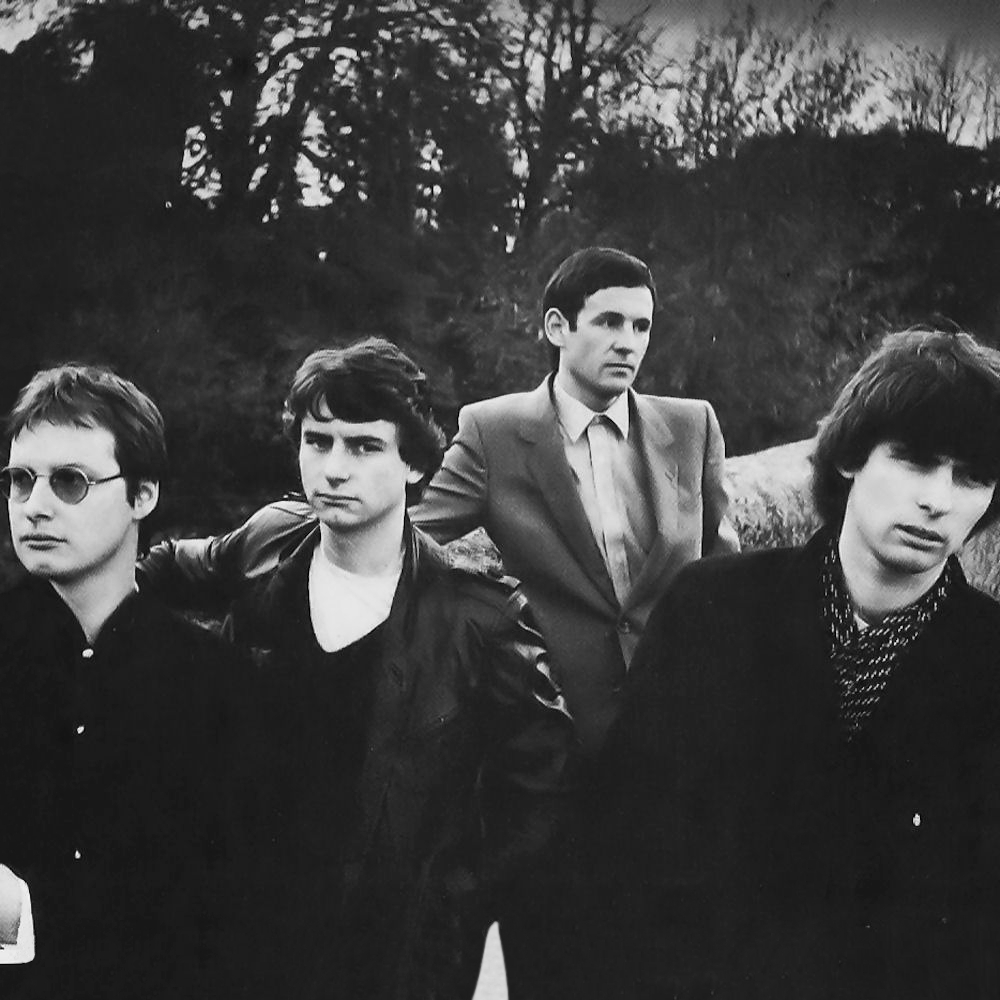
XTC
XTC were an English rock band formed in Swindon in 1972. Fronted by songwriters Andy Partridge (vocals, guitars) and Colin Moulding (vocals, bass), the band gained popularity during the rise of punk and new wave in the …
- Featured on Sundown Sessions
- 1 broadcast
- First featured
- 31 July 2024
- Last featured
- Sundown Sessions #7 31 July 2024
- Tracks played
- 1
About XTC
XTC were an English rock band formed in Swindon in 1972. Fronted by songwriters Andy Partridge (vocals, guitars) and Colin Moulding (vocals, bass), the band gained popularity during the rise of punk and new wave in the 1970s, later playing in a variety of styles that ranged from angular guitar riffs to elaborately arranged pop. Partly because the group did not fit into contemporary trends, they achieved only sporadic commercial success in the UK and US, but attracted a considerable cult following. They have since been recognised for their influence on post-punk, Britpop and later power pop acts. Partridge and Moulding first met in the early 1970s and subsequently formed a glam outfit with drummer Terry Chambers. The band’s name and line-up changed frequently, and it was not until 1975 that the band was known as XTC. In 1977, the group debuted on Virgin Records and were subsequently noted for their energetic live performances and their refusal to play conventional punk rock, instead synthesising influences from ska, 1960s pop, dub music and avant-garde. The single “Making Plans for Nigel” (1979) marked their commercial breakthrough and heralded the reverberating drum sound associated with 1980s popular music. Between 1979 and 1992, XTC had a total of 10 albums and 6 singles that reached the UK top 40, including “Sgt. Rock (Is Going to Help Me)” (1980) and “Senses Working Overtime” (1982). After 1982’s English Settlement, the band stopped concert touring and became a studio-based project centred on Partridge, Moulding and guitarist Dave Gregory. A spin-off group, the Dukes of Stratosphear, was invented as a one-off excursion into 1960s-style psychedelia, but as XTC’s music evolved, the distinctions between the two bands lessened. XTC continued to produce more progressive records, including the albums Skylarking (1986), Oranges & Lemons (1989) and Nonsuch (1992). In the US, “Mayor of Simpleton” (1989) was their highest-charting single, while “Dear God” (1986) was controversial for its anti-religious message.
Read full biography Show less
Due to poor management, XTC never received a share of profits from record sales (of which there were millions), nor from touring revenue, forcing them into debt throughout the 1980s and 1990s. In 1993, they went on strike against Virgin, citing an unfair recording contract, and soon extricated themselves from the label. Gregory left the band during the making of Apple Venus Volume 1 (1999), after which the XTC name was used by the duo of Partridge and Moulding. In 2006, Partridge announced that his creative partnership with Moulding had disintegrated, leaving XTC “in the past tense”. Moulding and Chambers briefly reunited as the duo TC&I in the late 2010s. Partridge and Gregory remain musically active.
Releases Featured on Sundown Sessions
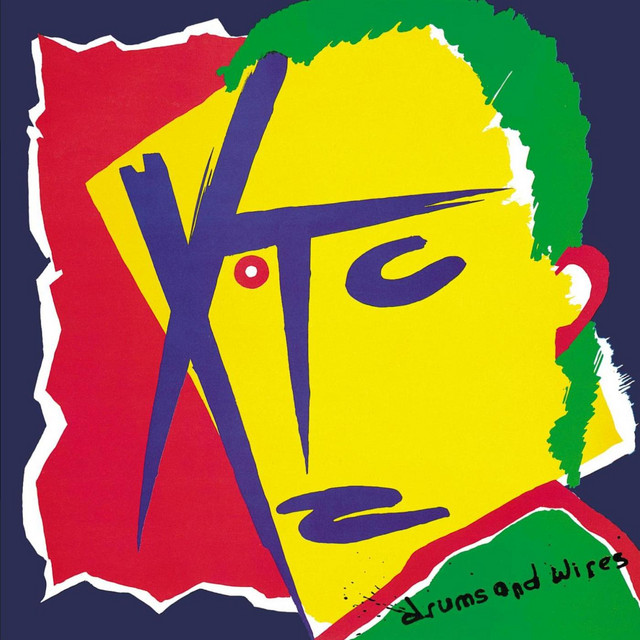
Tracks Featured on Sundown Sessions
- Making Plans For Nigel from Drums And Wires (1979)Featured on:
Related Artists
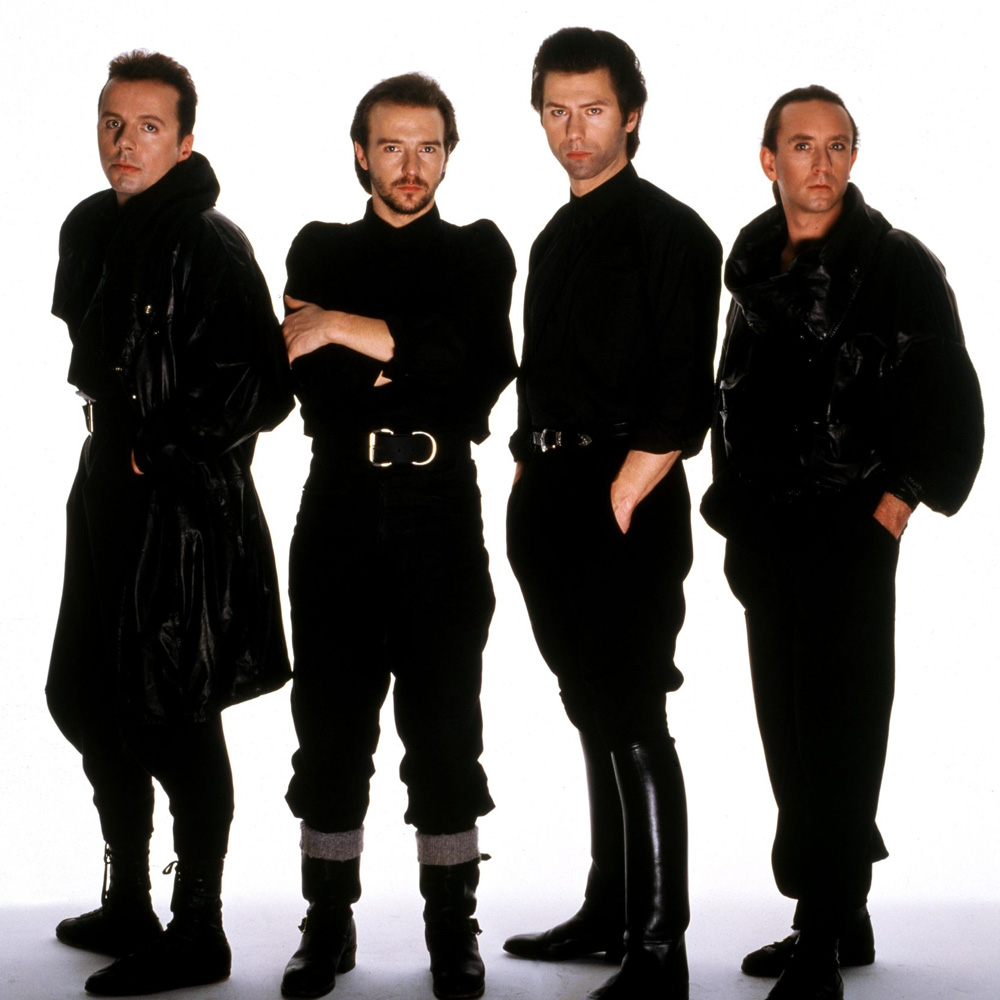
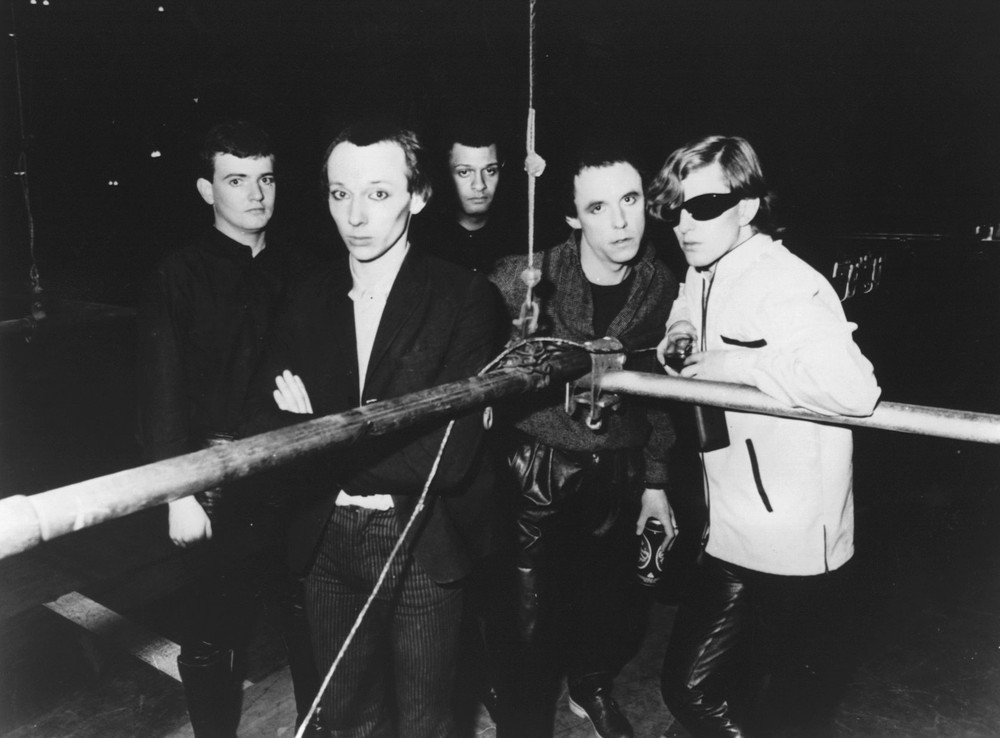
Magazine
Manchester post-punk band combining Howard Devoto's cerebral writing with tense rhythms, keyboards and adventurous guitar.


Sparks
American art-pop duo led by Ron and Russell Mael, celebrated for witty songwriting, theatrical pop and restless reinvention.

The Cult
English rock band led by Ian Astbury and Billy Duffy, moving from post-punk atmosphere to widescreen hard rock.